Judging Matching-Set Quality: The Fabric, Construction and Fit Checks Before You Buy
The matching set doubles the stakes of every quality mistake — two pieces that pill, fade or fit wrong together — and the pre-purchase checks take five minutes once you know them. The set-quality guide: the tells, the fit calibration and the price truth.
The Fabric Tells
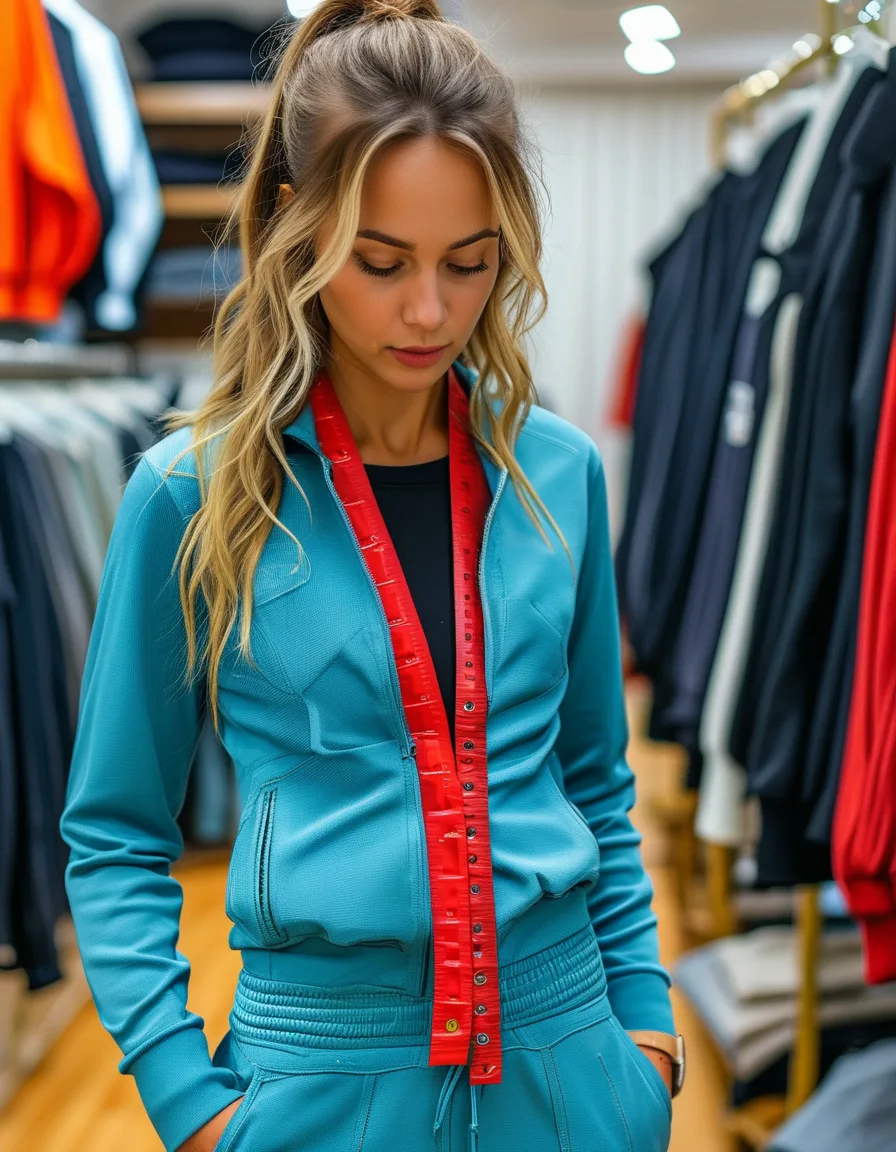
Reading quality by hand: the weight-and-density check (the fabric held to light — the opacity preview from the squat-proof doctrine; the substantial-but-not-stiff hand; the flimsy-thin set failing before the first wash), the stretch-and-recovery test (the pull-and-release snap-back from the fabric doctrine — the slow-recovering fabric bagging by week three; the four-way stretch verified both directions), the blend reading (the nylon-spandex premium hand versus the polyester workhorse from the blend doctrine — the spandex percentage at 15-plus for performance sets; the matching-pieces blend consistency: the top and bottom in the SAME fabric aging together), the surface finish (the brushed-versus-slick choice by use per the finish doctrine — the pilling-resistance rub test: the fabric rubbed against itself briefly), and the color-depth check (the saturated even dye — the cheap-dye chalkiness; the black that’s actually black per the color doctrine).
The Construction Checks
The seams and structure: the seam audit (the flatlock-or-bonded seams at friction zones — the inner-thigh and underband placements from the chafe doctrine; the stitch density: the fine-and-even beating loose-and-wandering), the waistband engineering (the wide elastic-or-fabric band with recovery — the roll-test in the fitting room per the waistband doctrine; the interior grip details on performance sets), the gusset presence (the diamond gusset as the construction-seriousness marker from the legging doctrine), the bra-support reality (the set tops’ support level named honestly — the light-support fashion tops versus the real sports bras; the high-impact days needing the real bra UNDER the set top per the support doctrine), the hardware-and-details (the clean hems, the secure pocket stitching, the no-loose-threads scan), and the smell test (the strong chemical odor flagging dye-and-finish shortcuts — the off-gassing set returned).

The Fit Calibration
Sets’ special fit problem: the two-piece sizing reality (the top and bottom fitting DIFFERENT bodies differently — the mixed-size purchase where brands allow; the set-locked sizing being the category’s flaw per the sizing doctrine), the movement protocol (the squat-reach-sit circuit in the room from the fit doctrine — the crop-top lift check on overhead reaches; the set tested as an OUTFIT in motion), the length-proportion checks (the crop length against YOUR torso from the proportion doctrine — the petite-and-tall calibrations; the high-rise meeting the crop at the intended gap), the between-sets consistency (the beloved brand’s sizing memorized — the repurchase confidence per the brand doctrine), and the review mining (the fit notes from body-similar reviewers per the review doctrine — the ‘top runs small’ intelligence).
The Price Honesty
What money buys: the price-quality curve (the mid-tier sweet spot — the quality jumping from budget to mid, plateauing toward luxury per the budget doctrine; the hundred-dollar set being mostly brand past the fabric tier), the cost-per-wear math (the twice-weekly set earning quality spend — the occasional-wear set fine at budget per the cost doctrine), the sale strategy (the quality brands on end-season sale beating full-price budget per the seasonal doctrine — the last-season colorway discount being free money), the budget-tier survival guide (the checks above applied HARDER at low prices — the occasional budget gem existing and findable by hand-feel; the fast-fashion set honestly rated a one-season purchase), the care contract (the quality set maintained by the wash rules from the care doctrine — the investment protected; the dryer killing the price difference), and the closing checklist (the light test, the snap-back, the seam scan, the squat — the five-minute audit before any set joins the drawer; the matching set bought once, worn a hundred times, still matching). Hold it to light, snap the stretch, squat in the room: the set, quality-checked.
Five-minute audit: hold fabric to light for opacity, test stretch snap-back, scan for flatlock seams and a gusset, then squat-reach-sit as an outfit. Buy mid-tier on sale over budget at full price, expect set tops to need a real bra under them for impact days, and mixed sizes where brands allow.
Keep Reading
This article is for general informational and styling purposes only. Fit, sizing, and product availability may vary.